

An industrial door warranty is only valuable when it is backed by real service response, spare parts readiness, and clear accountability after installation. A system that looks acceptable on handover day can still become a costly problem if support is vague or slow when the site actually needs help.
That is why buyers should review warranty scope, spare parts readiness, and service workflow before the purchase order is finalized. For many facilities, those factors matter almost as much as the original specification.
Why warranty and service support matter operationally
Industrial doors are active systems. Motors, sensors, controls, hardware, seals, and curtain materials all contribute to performance. If support is weak, even a technically suitable system can create avoidable downtime.
What to review in a serious industrial door warranty
| Review item | Why it matters | What to confirm |
|---|---|---|
| Coverage scope | Not every part is treated equally | Which parts, controls, and installation issues are included |
| Wear components | High-cycle systems experience routine wear | Which items are excluded as maintenance parts |
| Response process | Downtime cost depends on reaction speed | How service requests are logged and escalated |
| Spare parts readiness | Support quality depends on actual supply | Whether key parts can be sourced quickly |
| Operating conditions | Warranty validity depends on real use | Which conditions or misuse can void coverage |
Photos that show why service readiness is more than a contract line
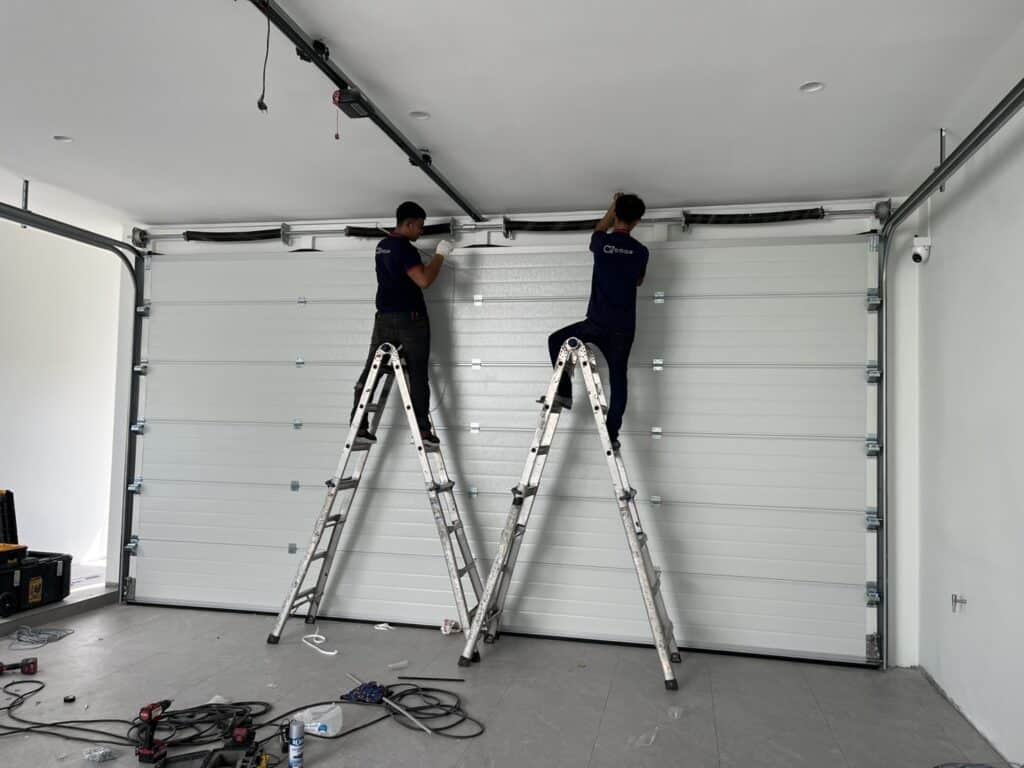

A strong service promise is usually backed by visible operational readiness: site inspection habits, installation discipline, technician coordination, and parts support. Those signals matter because warranty value is tested only after the system is handed over. Buyers comparing suppliers should also review the installation and repair support page so the after-sales promise is connected to a real operating process.


Questions buyers should ask before ordering
- What exactly is covered in the stated warranty period and which items are treated as normal wear?
- Who handles troubleshooting and how is a service request escalated?
- Are spare parts locally available for the proposed model?
- What preventive maintenance routine is recommended for the expected cycle volume?
- If the opening is business-critical, what response expectation is realistic after handover?
Frequently asked questions about industrial door warranty and support
These are the questions that usually separate a reassuring support package from a marketing promise that becomes unclear when the site actually needs help.
Is a longer warranty always better?
Not automatically. A shorter but clearly defined warranty backed by real service capability can be more valuable than a longer promise with vague coverage.
Why should spare parts matter before purchase?
Because support quality depends on what can actually be supplied and installed after handover. A warranty without realistic parts access can still leave the site exposed.
Should industrial doors receive planned maintenance even under warranty?
Yes. Warranty support does not replace routine inspection and maintenance, especially on high-cycle systems where preventive service reduces avoidable failures.
What is the clearest sign of good after-sales support?
Clear accountability: who responds, how quickly the case is handled, and whether technicians and parts are available when the issue appears.
The real test of an industrial door supplier starts after installation, when the site needs service, parts, or clear accountability.
Related Articles


